


Dates (Khajoor) are one of the oldest cultivated fruits in human history, cherished across generations not just for their rich, caramel-like sweetness, but for their incredible survival density. They pack an immense nutritional punch into a tiny package.
If you are looking for a simple, natural way to elevate your daily energy, fix your digestive health, or swap out refined sugars, dates are your ultimate ally. Let’s break down exactly what happens to your body when you make them a regular part of your diet.
1. Cellular Defense: An Antioxidant Powerhouse
When it comes to fighting off systemic inflammation and cellular damage, dates compete with the best of the superfoods. They are packed with three primary, potent antioxidants:
-
Flavonoids: Highly researched compounds known for reducing inflammation and showing significant potential in lowering the risk of diabetes and Alzheimer’s disease.
-
Carotenoids: Proven champions for heart health that also guard your vision by decreasing the risk of macular degeneration.
-
Phenolic Acid: Celebrated for its anti-inflammatory properties, it helps protect cells from free radical damage that can lead to chronic heart issues and certain cancers.
2. Metabolic Fuel: High Energy, Low Crash
Tired of chemical-heavy energy drinks or processed snacks that leave you feeling sluggish an hour later? Dates are packed with natural, easily digestible sugars including glucose, fructose, and sucrose.
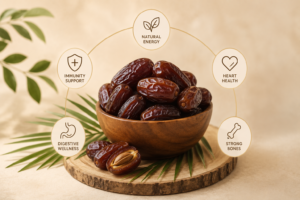
Because they retain their natural moisture and structure, they act as an optimal pre-workout or post-workout fuel source. They rapidly replenish muscle glycogen stores while providing key minerals like magnesium and potassium to prevent muscle cramping and soothe frayed nerves under stress.
3. Gastrointestinal Harmony and Weight Control
A happy gut dictates your overall well-being. Dates are packed with dietary soluble fiber, which is crucial for preventing constipation and ensuring smooth, regular bowel movements.
This high fiber content also pulls double-duty for weight management. Fiber slows down gastric emptying, meaning it keeps you feeling full and satisfied for longer periods. This naturally reduces the urge to indulge in impulsive, unhealthy snacking throughout the day.
The Diabetes Myth: Are Dates Safe?
Many people assume that because dates are intensely sweet, they are terrible for individuals managing diabetes. This is a myth. Dates actually have a low Glycemic Index (GI), typically ranging between 44 and 53. Because their sugars are tightly bound with structural dietary fiber, eating them causes a slow, gradual rise in blood sugar rather than a dangerous spike. Enjoyed in moderation (1–2 dates), they are a perfectly safe way to satisfy a sweet tooth.
4. Structural Integrity: Bones, Blood, and Brain
Dates provide a dense network of trace minerals that support your body’s structural framework from the inside out:
-
Anemia Prevention & Iron Support: Dates are an outstanding source of dietary iron. Regularly incorporating them into your meals aids in hemoglobin synthesis, preventing chronic fatigue and anemia while optimizing oxygen transport across your bloodstream.
-
Skeletal Strength: Packed with magnesium, selenium, copper, and manganese, dates help maintain bone mineral density. This makes them a tasty, proactive tool to combat the early onset of osteoporosis.
-
Cardiovascular and Cognitive Function: The rich potassium content found in dates assists in regulating blood pressure, lowering stroke risks, and ensuring optimal, oxygenated blood flow to the brain for better cognitive processing.
5. Better Sleep and Radiant Skin
Beyond physical performance, dates offer a natural beauty and lifestyle lift. They contain Tryptophan, an essential amino acid that your body naturally utilizes to synthesize serotonin and melatonin—the hormones responsible for regulating your sleep-wake cycles.
Simultaneously, their trace vitamins stimulate collagen synthesis, keeping your skin’s elasticity intact and giving you a healthy, natural glow.
Quick Alternative: The All-Natural Sweetener Substitute
One of the best properties of dates is their ability to seamlessly replace refined white sugars in your kitchen. By soaking dates in warm water and blending them into a smooth paste, you create a versatile, nutrient-dense paste perfect for baking, smoothies, or oatmeal.
Frequently Asked Questions (FAQs)
Q: How many dates should I eat in a day?
For most healthy individuals, consuming 3 to 5 dates per day is the ideal sweet spot. This delivers a rich profile of minerals and fibers without adding excessive calories to your daily budget.
Q: Can dates help ease labor during pregnancy?
Yes, there is concrete scientific evidence supporting this. Studies indicate that consuming dates during the final weeks of pregnancy can promote cervical dilation, potentially reducing the need for induced labor.
Q: Do dates have any negative side effects?
When enjoyed in moderation, dates are incredibly safe. However, because they are relatively calorie-dense (about 20–60 calories per date depending on the size and variety), excessive overeating can contribute to an unintentional caloric surplus.
Final Verdict
Dates stand as a beautiful testament to the fact that healthy food can taste incredible. They offer a holistic blend of physical, emotional, and structural health benefits. Indulge wisely, treat them as nature’s premium fuel source, and enjoy the sweet journey to a more vibrant you!


