


Your social media feed has likely been flooded with overnight oats, aesthetic breakfast bowls, and thick puddings packed with tiny, gel-like black seeds. These are chia seeds—the tiny seeds of Salvia hispanica, a flowering plant in the mint family native to Central America.
Once a staple crop for ancient Aztec and Mayan civilizations, chia seeds have reclaimed their throne as a modern superfood. But do they live up to the weight-loss claims, and how do they actually interact with your body?
The Nutrition Blueprint
Don’t let their size fool you. Just a 2-tablespoon (30-gram) serving of chia seeds is a nutritional powerhouse:
-
Calories: 138 kcal
-
Dietary Fiber: 10 grams
-
Protein: 5 grams
-
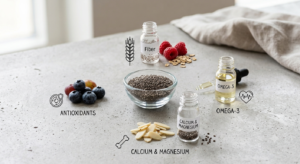
Healthy Fats: High in Alpha-Linolenic Acid (ALA), a plant-based Omega-3 fatty acid.
-
Key Minerals: Rich in calcium, magnesium, iron, and potassium.
Can Chia Seeds Actually Help You Lose Weight?
The short answer is yes, but indirectly.
There is no magical compound in a chia seed that melts body fat. Instead, their weight loss power lies in their physical behavior inside your digestive system:
-
Massive Satiety (The Fullness Factor): Chia seeds are highly hydrophilic (water-loving). They can absorb up to 10 to 12 times their weight in liquid, expanding into a thick gel in your stomach.
-
High Fiber & Protein: The combination of fiber and protein slows down your digestion. This prevents sudden blood sugar spikes and crashes, keeping your appetite stable and preventing late-afternoon cravings.
What the Research Says: A 12-week clinical study on individuals with obesity showed that while consuming chia flour didn’t make a significant weight difference across the entire test group, those who were most overweight at the start of the study experienced noticeable, significant weight loss when integrating chia into their calorie-controlled diet.
4 Science-Backed Health Benefits
Beyond weight management, daily chia consumption supports systemic health:
-
Cardiovascular Support: The rich Omega-3 fatty acid content helps lower LDL (“bad”) cholesterol, lower blood pressure, and reduce systemic inflammation.
-
Blood Sugar Regulation: By slowing carbohydrate absorption, chia seeds help manage insulin sensitivity—a major benefit for individuals dealing with Type 2 diabetes or insulin resistance.
-
Bone Density: Gram-for-gram, chia seeds contain more calcium than most dairy products, alongside magnesium and phosphorus, which are vital for bone health.
-
Improved Digestion: The soluble fiber acts as a prebiotic, feeding the beneficial bacteria in your gut and helping to regulate bowel movements.
Crucial Warning: Do Not Eat Them Dry!
Because chia seeds absorb liquid so rapidly, eating them completely dry can be highly dangerous.
The Choking Hazard: If you swallow a spoonful of dry chia seeds and then drink water, they can expand inside your esophagus, creating a thick, gelatinous blockage. Always soak your seeds in liquid for at least 15 to 20 minutes before consuming, or blend them into recipes where they have already absorbed moisture.
Potential Side Effects to Keep in Mind
While chia seeds are incredibly healthy, introducing too many into your diet too quickly can cause issues:
-
Gastrointestinal Distress: A sudden spike in fiber intake can trigger bloating, gas, stomach cramps, or diarrhea. Start with 1 teaspoon a day and gradually work your way up to a tablespoon while drinking plenty of water.
-
Blood-Thinning Interactions: Because Omega-3 fatty acids naturally thin the blood, consult your doctor if you are already taking blood-thinning medications or have low blood pressure.
-
Medication Spikes: Chia seeds can lower blood sugar and blood pressure. If you are on insulin or hypertension medications, monitor your levels closely.
How to Easily Add Chia to Your Daily Routine
Because chia seeds have a neutral flavor, they easily take on the taste of whatever liquid you mix them with. Try these simple prep methods:
-
Chia Water: Mix 1 tablespoon of chia seeds into a glass of water. Let it sit for 20 minutes, squeeze in half a fresh lemon, and add a drop of honey for a refreshing, high-fiber morning drink.
-
Classic Chia Pudding: Whisk 1/4 cup of chia seeds into 1 cup of almond milk, coconut milk, or low-fat dairy milk. Sweeten with a touch of vanilla extract and maple syrup, then leave it in the fridge overnight to thicken. Top with fresh berries.
-
Boosters: Stir a teaspoon of seeds directly into your morning oatmeal, Greek yogurt, or favorite fruit smoothie.


