


Zinc is a fundamental trace mineral required by the human body to activate more than 300 essential enzymes. Next to iron, it is the most abundant metal stored in our tissues. Found inside every single cell, zinc is primarily concentrated within our muscles and bones, playing an indispensable role in maintaining overall cellular health, immune function, and systemic metabolism.
Why Your Body Needs Zinc
Because the body cannot naturally produce or store zinc, you must consume an adequate amount daily through your diet. Maintaining optimal zinc levels supports several vital health processes:
-
Stronger Immune Function: Zinc serves as an essential building block for immune cells, helping the body neutralize viruses and significantly shortening the duration of the common cold.
-
Accelerated Wound Healing: It is a key element utilized by skin tissues for collagen synthesis and cellular repair.
-
Cognitive & Systemic Performance: Proper zinc levels fight mental fatigue, regulate hormone synthesis, and support proper development. In men, high concentrations of zinc are found in the prostate gland and semen, making it vital for reproductive health.
Spotting a Zinc Deficiency
Failing to meet your daily intake can quickly disrupt your health. Common signs of a zinc deficiency include:
-
Hair loss and brittle hair
-
Delayed wound healing and dry, rough skin
-
Changes or distortions in your sense of taste or smell
-
Chronic fatigue, mental sluggishness, and brain fog
-
Weakened immunity leading to frequent infections
Are You Getting Enough Zinc?
According to leading nutritionist and weight management expert Dr. Anshul Jaibharat: “Zinc is a micronutrient that is required by the human body in extremely modest quantities every day. It is significant for the correct working of your immune framework just as for good hair, skin, and nails. Normally, non-vegetarians easily meet their everyday requirement. Vegetarians may, however, miss the mark and experience dry skin, fragile hair, and coarse nails.”
The Phytate Dilemma: Zinc Absorption in Plant-Based Diets
The recommended Daily Value (DV) for zinc is 11 mg per day for adults. However, health guidelines advise individuals on strict vegan or vegetarian diets to aim higher—often targeting up to 30 mg per day.
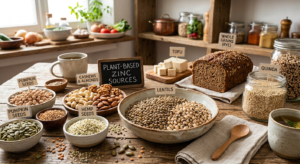
Why? Whole grains, legumes, nuts, and seeds contain natural plant compounds called phytates (phytic acid). Phytates bind to minerals like zinc in the digestive tract, lowering its bioavailability (how easily your body absorbs it).
How to bypass phytates: You do not need to give up a plant-based diet. Processes like soaking, sprouting, fermenting, or cooking legumes and grains significantly break down phytic acid, making the zinc highly bioavailable to your system.
Top Animal-Based Sources of Zinc
For those who consume animal products, zinc is easily accessible and highly absorbable:
-
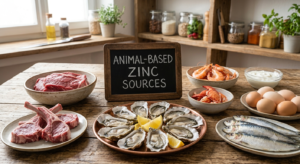
Shellfish: The single best source of dietary zinc. Just six medium oysters deliver a massive 32 mg of zinc (291% DV). Alaskan king crab supplies 7.6 mg per 100g serving, while mussels offer 14% of your DV.
-
Meat and Poultry: High-quality cuts of beef, lamb, and pork are excellent options. A 100g serving of lean ground beef yields 4.8 mg of zinc (44% DV), alongside protein, iron, and B vitamins.
-
Eggs and Dairy: Regular consumption of whole eggs, fresh milk, and whole cheeses naturally reinforces your baseline levels.
Top Vegetarian and Vegan Zinc Sources
If you follow a plant-based diet, nature provides an abundant array of seeds, whole grains, and legumes to help you meet your goals.
1. Vegetarian Staple Foods
| Plant Source | Serving Size | Zinc Content (approx.) | Key Additional Benefits |
| Hemp Seeds | 3 tbsp (30g) | 3.0 mg | Exceptionally rich in healthy Omega-3 fats. |
| Squash & Pumpkin Seeds | 1 oz (28g) | 2.2 mg | Loaded with magnesium and antioxidants. |
| Cashews & Pine Nuts | 1 oz (28g) | 1.6 mg | Offers healthy fats and dietary fiber. |
| Cooked Lentils | 1 cup | 2.5 mg | Excellent source of plant protein and iron. |
| Low-Fat Yogurt | 1 cup | 2.0 mg | Probiotics that support gut health. |
| Cooked Oatmeal | 1 cup | 2.3 mg | Packed with heart-healthy beta-glucans. |
| Cooked Quinoa | 1 cup | 2.0 mg | A complete plant-based amino acid profile. |
| Black Beans | 1 cup | 2.0 mg | High-fiber source that stabilizes blood sugar. |
2. Zinc-Rich Fruits and Vegetables
While fruits and vegetables generally carry lower concentrations of zinc than seeds or legumes, adding these nutrient-dense options to your plate provides a low-calorie metabolic boost.
| Fruit or Vegetable | Zinc Content (Per Cooked/Raw Cup) | Additional Nutrient Highlights |
| Shiitake Mushrooms | 1.9 mg | Extremely low calorie, high in Vitamin B (Riboflavin). |
| Green Peas | 1.9 mg | Great source of plant protein and fiber. |
| Cooked Spinach | 1.4 mg | Rich in iron, lutein, and vitamins A and K. |
| Avocados | 1.3 mg (per whole fruit) | High in healthy monounsaturated fats and potassium. |
| Lentil Sprouts | 1.2 mg | Sprouting neutralizes phytates, maximizing absorption. |
| Asparagus | 1.1 mg | Packed with folate and chromium. |
| Blackberries | 0.8 mg | Loaded with Vitamin C and rich dark antioxidants. |
| Broccoli & Kale | 0.7 mg | Provides powerful, health-protective glucosinolates. |
| Pomegranate Seeds | 0.6 mg | High in anti-inflammatory punicalagins. |
Conclusion
Zinc is a vital mineral that your body depends on every single day to look, feel, and perform at its best. Whether you choose highly bioavailable animal sources like seafood and lean meats, or load up on plant-powered champions like pumpkin seeds, lentils, and fresh greens, consistency is key. By pairing your meals thoughtfully—and utilizing cooking methods like soaking or sprouting to unlock plant-based nutrients—you can easily guarantee your body has the raw materials it needs to keep your immune system sharp and your energy levels high.


