


“I’ll do two hours at the gym on Monday.” “I’ll crush 25 more reps on Tuesday.” “I’ll do heavy strength training on Wednesday.”
When we set out to shed body fat, our minds instantly equate progress with grueling workouts. While exercise is undeniably crucial, sustainable fat loss requires far more than physical activity alone. True transformation is built on a foundation of daily habits, optimal cellular nutrition, and restorative rest.
It is also vital to recognize individuality: every body responds differently, and success comes from identifying what works for your unique physiology. Below are the core science-backed habits and nutritional shifts you need to reach your fat loss goals sustainably.
Weight Loss vs. Fat Loss: The Muscle Connection
When people drop weight too quickly, a significant portion of that loss often comes from water weight and lean muscle tissue. Losing muscle is highly detrimental to long-term fitness. Muscle tissue is metabolically active—the more muscle you possess, the more calories your body naturally burns at rest.
If a rapid diet causes your muscle mass to drop, your resting metabolic rate falls with it. This makes it incredibly easy to regain the lost weight as fat the moment you ease off the diet. Therefore, your metric for success should always be losing body fat while preserving lean muscle mass.
5 Habits to Accelerate Fat Loss
1. Optimize Daily Movement
While deliberate workouts protect your muscle mass, increasing your NEAT (Non-Exercise Activity Thermogenesis) is the secret to systemic fat breakdown. Minor adjustments throughout the day compound over time.
-
Action Steps: Stand up for 10 minutes every hour during desk work, take the stairs instead of the elevator, or add a brisk 20-minute walk after meals. Walking remains one of the most accessible and effective tools for fat oxidation.
2. Prioritize Adequate Protein Intake
Protein is an essential macronutrient for cellular repair, immune health, enzyme production, and muscle retention. High-protein diets naturally increase satiety, manage baseline appetite, and elevate the thermic effect of food (meaning your body burns more energy simply digesting it).
-
The Math: To preserve lean tissue during a fat-loss phase, aim to consume at least 1.0 to 1.5 grams of protein per kilogram of body weight daily, distributed evenly across your meals.
-
Top Sources: Sprouted moong dal, paneer, A2 milk, and functional grains like amaranth, ragi, and quinoa.
3. Secure Quality Sleep
Sleep is a heavily undervalued pillar of body composition. Chronic sleep deprivation elevates cortisol (the primary stress hormone), which slows your metabolism and signals your body to hold onto visceral abdominal fat. Furthermore, research shows that individuals who get a solid 7 to 8 hours of uninterrupted rest experience fewer intense late-night cravings.
-
Action Steps: Stick to a rigid sleep schedule and disconnect from electronic devices 30 minutes before bed. Swap caffeine for soothing alternatives like chamomile tea or warm turmeric milk.
4. Embrace Healthy Dietary Fats
Dietary fats are not the enemy; they are crucial for hormone synthesis, joint lubrication, and stabilizing blood sugar levels. Healthy fats slow down gastric emptying, keeping you full and satisfied long after a meal concludes.
-
Action Steps: Replace refined, chemically processed seed oils with traditional alternatives like cold-pressed mustard oil or pure A2 ghee for cooking. Incorporate soaked almonds, walnuts, chia seeds, and flaxseeds as wholesome mid-day snack options.
5. Prioritize Natural Hydration
Without adequate hydration, your liver cannot efficiently undergo lipolysis—the metabolic process of breaking down stored fats and carbohydrates into usable energy.
-
Action Steps: Avoid packaged “diet drinks” or fruit juices loaded with liquid sugars and preservatives. Instead, honor traditional wellness with freshly prepared, seasonal hydrating drinks such as coconut water, fresh chaas (buttermilk), nimbu paani (lemon water), sattu water, or amla sherbet.
Core Foods to Add to Your Plate
No single food magically dissolves fat, but adding these nutrient-dense options to your meals will boost your metabolic efficiency and maintain high satiety:
-
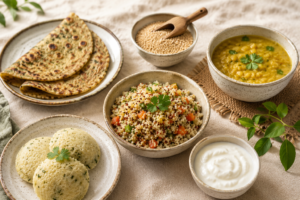
Amaranth (Rajgira): This ancient grain is exceptionally high in protein and dietary fiber. It naturally suppresses ghrelin (the hunger hormone) while moving slowly through the digestive tract to provide long-lasting fullness. Try it as an amaranth vegetable cheela or stuffed paratha.
-
Moong Dal: Highly rich in folic acid, magnesium, and plant-based proteins, yellow and green moong dal are incredibly gentle on the stomach. The high insoluble fiber content supports optimal digestion and prevents toxic waste buildup (Ama) in the gut. Enjoy it as a savory moonglet or steamed moong dal idlis.
-
Quinoa: A rare complete plant protein containing all nine essential amino acids. It features a low glycemic index, meaning it causes a slow, controlled release of blood sugar, preventing the energy crashes that trigger overeating. Use it to prepare vegetable upma or a nutrient-dense quinoa pulao.
-
Yogurt & Dahi: A brilliant source of lean protein, calcium, and gut-friendly probiotics. Long-term studies show that individuals who regularly consume fermented dairy maintain a healthier body mass index (BMI) due to enhanced gut microbiome diversity.
The Danger of Late-Afternoon Snacking
The hours between 4:00 PM and 6:00 PM are the absolute danger zone for weight watchers. When you ignore late-afternoon hunger or try to blunt your appetite with strong tea or coffee, your body reacts by spiking cortisol.
Because cortisol naturally dips in the evening, artificially raising it through caffeine or starvation disrupts your circadian rhythm, slows digestion, triggers insulin resistance, and almost always leads to massive overeating at dinner. A structured, high-protein evening snack is essential to keep your fat loss on track.
The Sustainable Fat Loss Clean Eating Blueprint
Early Morning
-
2 glasses of warm water + 1 tsp wheatgrass powder OR 2 glasses of warm jeera (cumin) water
-
8 soaked almonds + 2 soaked walnuts
Breakfast
-
1 cup fresh yogurt + 1 stuffed amaranth/vegetable chapati OR
-
1 cup fresh yogurt + ½ cup vegetable poha loaded with peanuts
Mid-Morning
-
1 glass of fresh lemon water + 2 tsp raw pumpkin seeds
Lunch
-
1 katori dal or kadhi + 1 jowar chapati + 1 generous serving of seasonal vegetable sabji
Afternoon Snack (4:00 PM)
-
1 savory moong dal cheela stuffed with grated vegetables
Evening Snack (6:00 PM)
-
1 bowl of seasonal fruit (watermelon, muskmelon, or a small mango) + 2 tsp ground flaxseeds
Dinner
-
100g grilled/sautéed paneer + 1 bowl of vegetable khichdi or vegetable pulao + a side of warm sabji
Before Bedtime
-
1 cup of warm methi dana (fenugreek seed) water
Weight-Loss Friendly Kitchen Optimizations
-
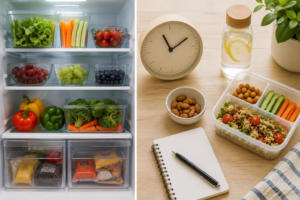
Rearrange Your Refrigerator: Out of sight, out of mind. Place nutrient-dense foods, pre-cut vegetables, and fresh fruits on the eye-level, highly visible shelves. Shift hyper-palatable or processed foods to the very back or lower crisper drawers.
-
Stick to Structure: Train your body’s metabolic clock by eating your main meals (breakfast, lunch, dinner) at fixed times daily, supplemented strictly by your pre-planned morning and evening snacks.
Frequently Asked Questions (FAQs)
Which carbohydrates should I avoid to lose fat?
Cut back on refined carbohydrates with a high glycemic load, such as white bread, bakery items made with refined flour (maida), white pasta, candies, commercial sugary sodas, and alcoholic beverages. These supply empty calories, cause severe blood sugar spikes, and force your body into chronic fat-storage mode.
Which fats should I limit during a fat-loss phase?
Avoid trans fats and highly processed industrial seed oils (like commercial vegetable oil or vanaspati) often found in store-bought salad dressings, deep-fried chips, commercial cookies, and processed meats. These fats trigger systemic inflammation, slow down your overall metabolism, and significantly increase the risk of visceral belly fat deposition.
Does drinking water right before a meal accelerate weight loss?
Drinking water right before a meal can temporarily stretch the stomach wall and reduce your immediate appetite, but it is not a sustainable or healthy mechanism for long-term fat loss. Drink water because your body requires hydration for cellular processes, ideally an hour before or after your meals.
How long does it take to see visible results?
When following a well-rounded, nutrient-dense diet plan consistently, internal results manifest within the first 3 to 4 weeks. You will experience a significant drop in bloating, gas, and acidity, feel lighter and more energized after meals, notice clearer skin, and experience a more stable, upbeat emotional state. Visible changes in body composition generally follow shortly after.


