


Pickled garlic is a culinary staple found in households around the world, loved for its sharp, tangy flavor and incredible shelf life. Prepared through natural fermentation in a salt brine or by direct acidification with vinegar, authentic pickled garlic must maintain a balanced pH of 4.6 or below to ensure it stays perfectly preserved and safe to consume.
Long before modern refrigeration or commercial canning existed, curing foods with salt and acid was the primary way humanity kept meats, fish, and vegetables from spoiling. Today, pickled garlic is enjoying a massive resurgence—not just because it adds an acidic punch to meals, but because the pickling process unlocks exceptional health benefits without leaving you with the dreaded “garlic breath.”
A Brief History of Garlic
Garlic (Allium sativum) is native to Central Asia, with historical roots tracking back to West China, Kazakhstan, and Kyrgyzstan. As early as 2600 BC, the Sumerians actively utilized garlic for its deep healing attributes, eventually introducing it to East Asia.
In ancient Indian medicine, garlic is prominently mentioned in the Vedas as a powerful therapeutic plant. Ancient physicians highly valued it as a daily tonic to stimulate a lack of appetite, soothe chronic coughs, ease rheumatism, and combat physical weakness.
6 Incredible Health Benefits of Pickled Garlic
Raw garlic is famously rich in allicin, an organic compound with potent antibacterial and antifungal properties. When garlic is pickled or fermented, it retains the vast majority of its core mineral value while making the nutrients much easier for your gut to absorb.
1. Fights Colds and Boosts Immunity
If you are prone to seasonal bugs, pickled garlic is an excellent natural preventative. Packed with antioxidants and Vitamin C, it strengthens the body’s white blood cells. Clinical insights show that regular consumption can significantly lower your risk of catching a common cold and reduce the duration of cold symptoms by up to 70%.
2. Reduces Joint Pain and Arthritis
Garlic contains a unique organosulfur compound called diallyl sulfide (DAS). DAS possesses powerful anti-inflammatory properties that actively benefit your musculoskeletal system. Consuming pickled garlic regularly helps suppress systemic inflammation, offering natural relief for stiff joints and arthritis.
3. Supports Cardiovascular Health
When garlic is crushed or cut, its thiosulfate compounds convert into active allicin. Allicin helps the body release nitric oxide into the bloodstream, which relaxes the blood vessels and naturally lowers blood pressure. Fermented garlic also possesses anti-inflammatory traits that assist in lowering LDL (“bad”) cholesterol.
4. Natural Antibiotic and Digestive Aid
Fermented garlic acts as a mild, natural antibiotic that selectively suppresses harmful gram-positive and gram-negative bacteria in the gut without harming beneficial flora. Furthermore, it stimulates the liver’s production of bile, which dramatically improves daily digestion and fat metabolism.
5. Potential Chemo-Preventive Properties
Emerging oncology research indicates that the organosulfur compounds in garlic—specifically DADS (diallyl disulfide) and DATS (diallyl trisulfide)—show a powerful ability to interfere with the growth of dangerous tumor cells, particularly in brain and lung tissue matrixes. While more human trials are underway, garlic remains a highly regarded chemo-preventive dietary agent.
Garlic Nutritional Profile
Garlic is remarkably rich in essential trace elements, making it a tiny but mighty nutritional powerhouse.
-
Essential Minerals: High levels of potassium, calcium, magnesium, manganese, iron, zinc, and selenium.
-
Vitamins: Rich in Vitamin C and Vitamin B-complex variants.
-
Low Calorie: Provides clean, metabolic value with virtually zero fat content.
How to Make Quick Pickled Garlic at Home
Want to make your own batch? This simple refrigerator pickle recipe yields incredibly flavorful, crunchy cloves that lose their harsh, burning bite and become sweet and tangy.
Ingredients:
-
3-4 Garlic Bulbs: Separated into individual cloves and completely peeled.
-
700 ml Vinegar: White wine vinegar, apple cider vinegar, or red wine vinegar.
-
1 tsp Pure Salt: Use pickling or sea salt (avoid iodized table salt, which contains anti-caking agents that make the brine cloudy).
-
1 tsp Mustard Seeds
-
3 Allspice Berries
-
1 Dried Chili (or 0.5 tsp red pepper flakes)
-
1 Fresh Basil Sprig
-
Clean 500ml Glass Jar (sterilized)
Quick Instructions:
Pack the peeled garlic cloves, spices, and herbs tightly into your clean glass jar. In a small saucepan, bring the vinegar and pure salt to a light boil until the salt completely dissolves. Pour the hot liquid over the garlic cloves, ensuring they are entirely submerged. Seal the jar tightly, let it cool to room temperature, and store it in your refrigerator for at least two weeks before opening to let the flavors mature.
Creative Ways to Use Pickled Garlic
Don’t let your jar just sit in the fridge! Pickled garlic is incredibly versatile in the kitchen:
-
Salad Dressings: Coarsely chop the pickled cloves and whisk them into olive oil and herbs for a bright vinaigrette.
-
Sautéed Vegetables: Add chopped pickled garlic to stir-fries or roasted greens during the final minutes of cooking for an amazing acidic lift.
-
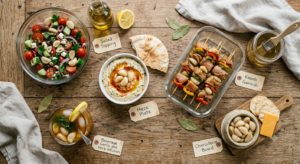
Charcuterie Boards: Serve whole pickled cloves alongside olives, cheeses, and cured meats as a palate cleanser.
-
The Leftover Brine: When the garlic is gone, never throw away the liquid! Use the leftover garlic-infused vinegar as a base for marinades, sauces, or homemade salad dressings.
Conclusion
The health benefits of pickled garlic are vast, spanning from cold prevention to cardiovascular and digestive support. Beyond its medicinal values, it is an exceptional flavor enhancer that elevates everyday home cooking with a completely unique, mellowed tang. Whether you are looking to support your immune system or bring an extra layer of depth to your favorite dinner recipes, a daily dose of pickled garlic is a simple, delicious habit worth starting.


